

Why America’s Construction Labor Shortage Isn’t Going Away…And Why That’s Good News
Building Futures is the thought leadership series of the Bridge Builders Foundation. We believe every person deserves the opportunity to build a meaningful career, every contractor deserves access to a skilled workforce, and every community deserves the economic strength that comes when people are equipped to succeed. Through this series, we explore workforce development, skilled trades, and the opportunities that are transforming lives one career at a time.
For more than twenty years, I've hired, trained, and led people in the construction industry. During that time, one phrase has remained remarkably consistent:
"We just need more good people."
Twenty years ago, there were always people available to hire. They might not have had the right experience, but there were bodies willing to work. Today, that's no longer the case. What we've been witnessing for the past two decades has finally reached a tipping point. The labor shortage isn't new, it has simply become impossible to ignore.
The retirement of an entire generation of skilled craftsmen, combined with years of declining interest in the trades, has left our industry with a gap that continues to widen. For many years, immigrant labor helped offset part of that shortage, allowing projects to move forward and delaying a broader conversation about how we develop our own workforce. As labor markets and immigration patterns have shifted, the underlying challenge has become much more visible.
The problem didn't suddenly appear. It was exposed. The question is no longer whether the shortage exists. The question is what we're going to do about it.
More Than a Construction Problem
Every time America faces economic uncertainty, one of the first places we invest in is infrastructure.
Roads. Bridges. Water Systems. Schools. Hospitals. Airports.
Construction has always been one of the engines that drives economic recovery because it creates jobs, strengthens communities, and generates long-term economic growth. That reality makes today's workforce shortage much bigger than a construction problem.
It is an economic development problem. When contractors cannot find qualified workers, projects are delayed. Communities wait longer for infrastructure improvements. Businesses postpone expansion. Public dollars become less efficient, and opportunities for families are lost before they ever begin.
The shortage affects every one of us, whether we realize it or not.
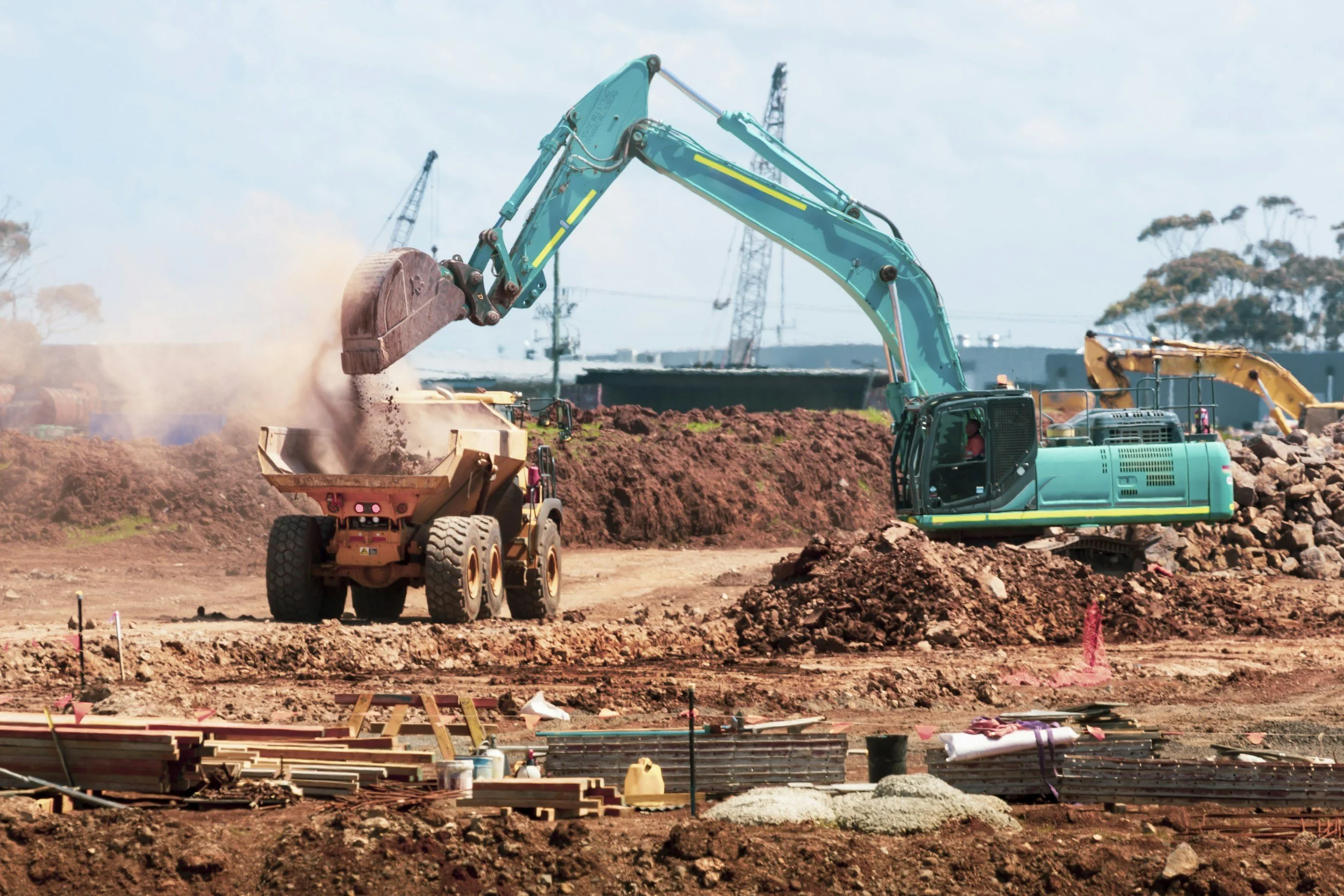
Excavator loading a dump truck.
The Opportunity Hiding in Plain Sight
One of the biggest misconceptions about construction is that it's simply a job.
It isn't.
Construction is one of the few industries where someone can completely change the trajectory of their family's future through skill, leadership, and entrepreneurship. I've watched laborers become superintendents. I've watched recent college graduates become leaders on military installations. I've watched individuals who never imagined themselves in management grow into respected professionals responsible for multimillion-dollar projects.
One story stands out.
Years ago, I had a laborer on one of my projects who consistently asked thoughtful questions. He approached problems differently. He wanted to understand why things were done a certain way instead of simply following instructions. I saw leadership potential long before he saw it himself.
I encouraged him to earn certifications in quality control and safety management. I challenged him to begin writing daily reports, reviewing project documentation, and taking on responsibilities that stretched him far beyond his comfort zone.
At first, it was difficult. There were moments when it would have been easier for both of us to go back to what he already knew. But growth rarely happens inside our comfort zones. Today, that same individual earns more than $200,000 a year through his leadership responsibilities and is taking steps toward building his own company. His story didn't change because someone handed him success. It changed because someone recognized potential, and because he was willing to make the effort to develop it.
I've witnessed stories like his many times throughout my career. They remind me that talent is often not missing, it is just undiscovered.
It's About Awareness and Effort
People often ask me what I believe is causing the construction labor shortage and my answer usually surprises them.
I don't think it's really about construction. I think it's about awareness and it's about effort.
Millions of people simply don't know what opportunities exist in this industry. They don't realize that skilled trades can provide financial security, meaningful work, leadership opportunities, and even business ownership. Too many students graduate without ever hearing construction presented as a respected, professional career path.
At the same time, opportunity requires effort:
Contractors must be willing to invest in developing people.
Workforce organizations must be willing to create training pathways.
Communities must prioritize career education.
Individuals must be willing to show up, learn, earn certifications, and commit themselves to mastering a craft.
Awareness without effort changes nothing. Effort without awareness never reaches its full potential.
Real transformation happens when the two come together.
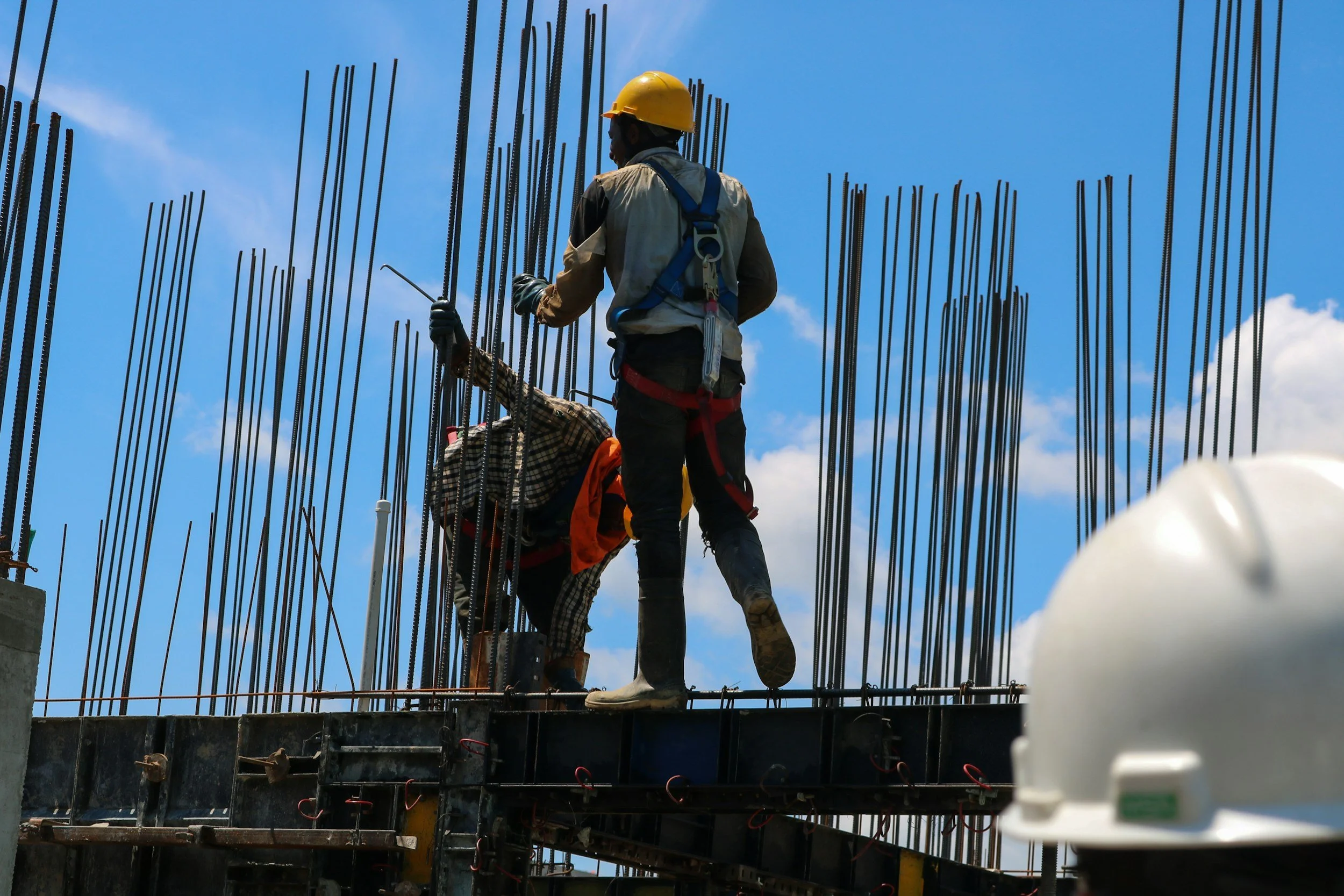
Men tying rebar.
Looking Ahead
At the Bridge Builders Foundation, we don't believe the answer to America's workforce shortage is simply finding more workers. We believe it's building more pathways, because here's what I've learned after more than two decades in this industry:
People have far more potential than opportunity.
When we expose people to what's possible, equip them with valuable skills, and challenge them to grow, lives change.
Families become stronger.
Businesses become healthier.
Communities become more resilient.
The future workforce isn't waiting to be found. It's waiting to be developed.
A Note from Chauncy
One of the greatest privileges of my career has never been completing a project. It's been watching people discover what they're capable of.
I've learned that workforce development isn't about filling vacancies. It's about recognizing potential before someone else sees it in themselves. I've watched laborers become leaders, young graduates become construction managers, and ordinary people build extraordinary lives because someone believed they could do more.
That's why I remain optimistic…the labor shortage we face today is real, but so is the opportunity. There are talented people in every community who simply need exposure, training, mentorship, and a chance to prove themselves. If we're willing to make the effort, to invest in people instead of simply searching for them, we won't just build a stronger construction industry.
We'll build stronger families, stronger communities, and a stronger future. Because when we build people, they build the world we live in.